
IT contract law
Contracts around software, SaaS, cloud, and IT services.
Loading…
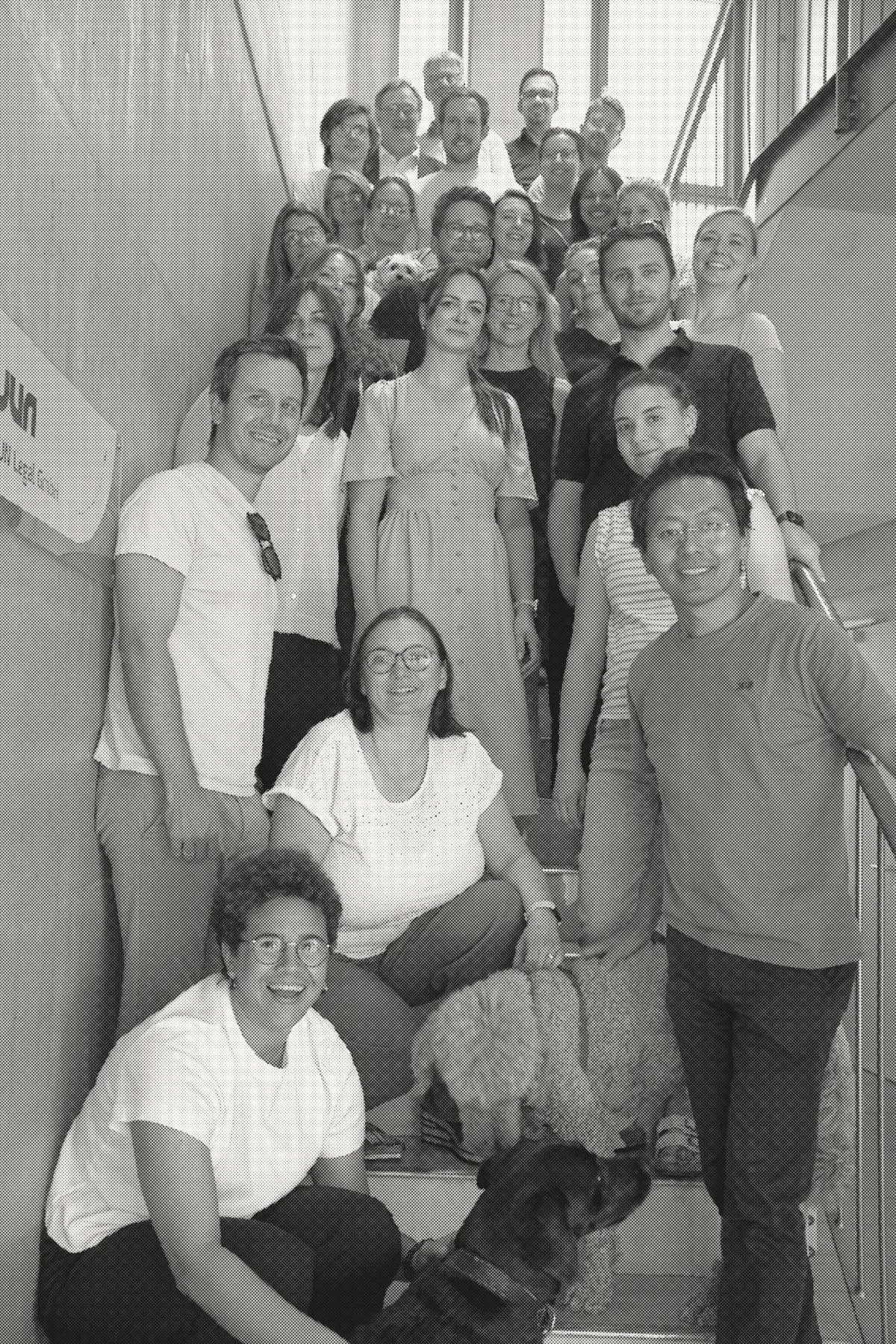
Our specialization demands more than good exam results — it demands a curriculum that keeps pace with the subject matter. That is why we have developed a modular onboarding curriculum that systematically guides new colleagues through our focus areas: IT contract law, data protection, AI law, social media law and — with particular emphasis — FOSS compliance. The onboarding is complemented by active speaking practice and your own publications.
Anyone who specializes in IT and business law works in a field that changes faster than any formal training could capture. That is why we regard personal development not as a perk but as a precondition of our work. Every member of our team — whether lawyer, legal trainee (Referendar), research assistant, or legal assistant (Rechtsanwaltsfachangestellte) — should be able to develop a clear professional profile with us: in client work, in contributing to publications, in speaking engagements, in shaping their own areas of focus.
With us, specialization is not left to chance — it is built into the way we work.
People join our firm in different ways. Law students often start as research assistants and combine their work with their studies or a doctorate. Legal trainees (Referendare) complete their Anwaltsstation or Wahlstation (practical training stages of the German legal traineeship) with us and work on topics that barely appear in standard legal training. Lawyers join us directly after the second state examination or come to us with prior professional experience. In both cases, they take on their own client matters and work their way deeper into their field of law — for those who wish, with the option of pursuing a Fachanwaltschaft (specialist lawyer qualification) in one of our focus areas.
Our legal assistants (Rechtsanwaltsfachangestellte) have joined us partly straight out of their vocational training, partly with experience from other law firms. They carry the logistics of our client matters and are professionally embedded in an IT law–focused practice, with room to grow into these focus areas. Career changers have joined us usually from other office professions and have worked their way into the legal environment here step by step. Add to that someone you would not expect to find in a law firm: a developer who looks after the technology behind our work.
The dogs are simply part of the office.
Our onboarding is modular. Six subject areas, completed sequentially or in parallel depending on prior experience and chosen focus. Depth does not come from the module alone but from the client matters we put on the table alongside it. The FOSS focus area receives more room than the others — it is one of our historically grown specializations.
Contracts around software, SaaS, cloud, and IT services.
Open source license law, license conflicts in combined codebases, compliance processes in development and distribution.
GDPR (DSGVO) in day-to-day client work, international data transfers, the data economy between the Data Act and practice.
AI Act, DSA, and related frameworks at the interface with client work.
Professional rules, client intake, file management — the lawyer's craft, in parallel with the substantive modules.
An introduction to lectures, webinars, and specialist articles — the transition into active publication practice.
Visibility is not an extracurricular activity here — it is part of the career. Those who have gone deep into a subject should also be allowed to speak and write about it. We accompany the first steps, provide editorial feedback, and open up formats we established long ago.
The ongoing webinar series “Recht trifft KI” (“Law Meets AI”) with Deutscher AnwaltVerlag, conference appearances on FOSS compliance, lectures for professional associations on IT contract law and data protection. New colleagues join existing formats as co-presenters — and take on lead responsibility as soon as they want to and are ready to own the content.
Book projects by our team members — such as the practitioner's handbook “Generative KI in der Rechtsberatung” (“Generative AI in Legal Practice”), edited by Dr. Sophie Garling, Annika Niemann, and Yvonne Roßmann with Deutscher AnwaltVerlag. Articles in legal journals, case notes on court decisions, and their own article series on jun.legal. First publications receive editorial support — no one is thrown in at the deep end.
Tailored training formats for clients — legal departments, works councils, law firms, development teams. Team members help design modules, lead sessions, and build hands-on hours in knowledge transfer. A clear path from preparing materials to taking an independent speaking role.

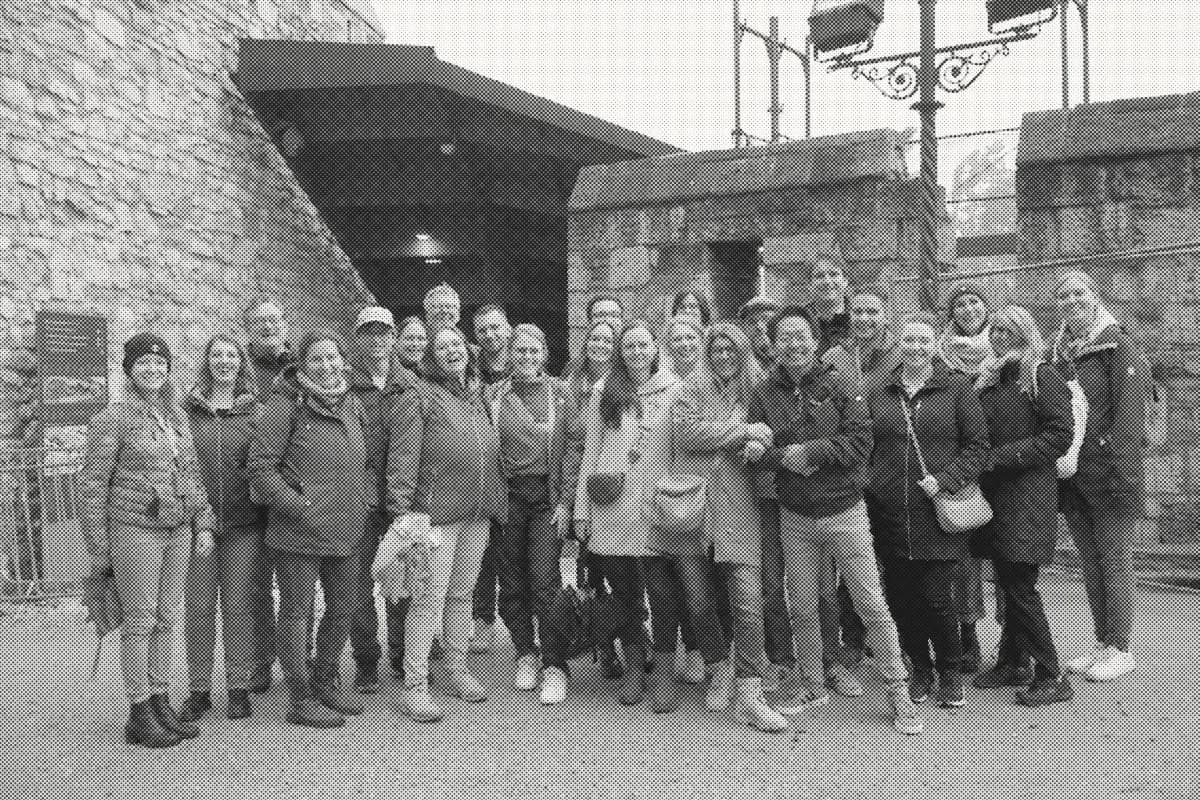
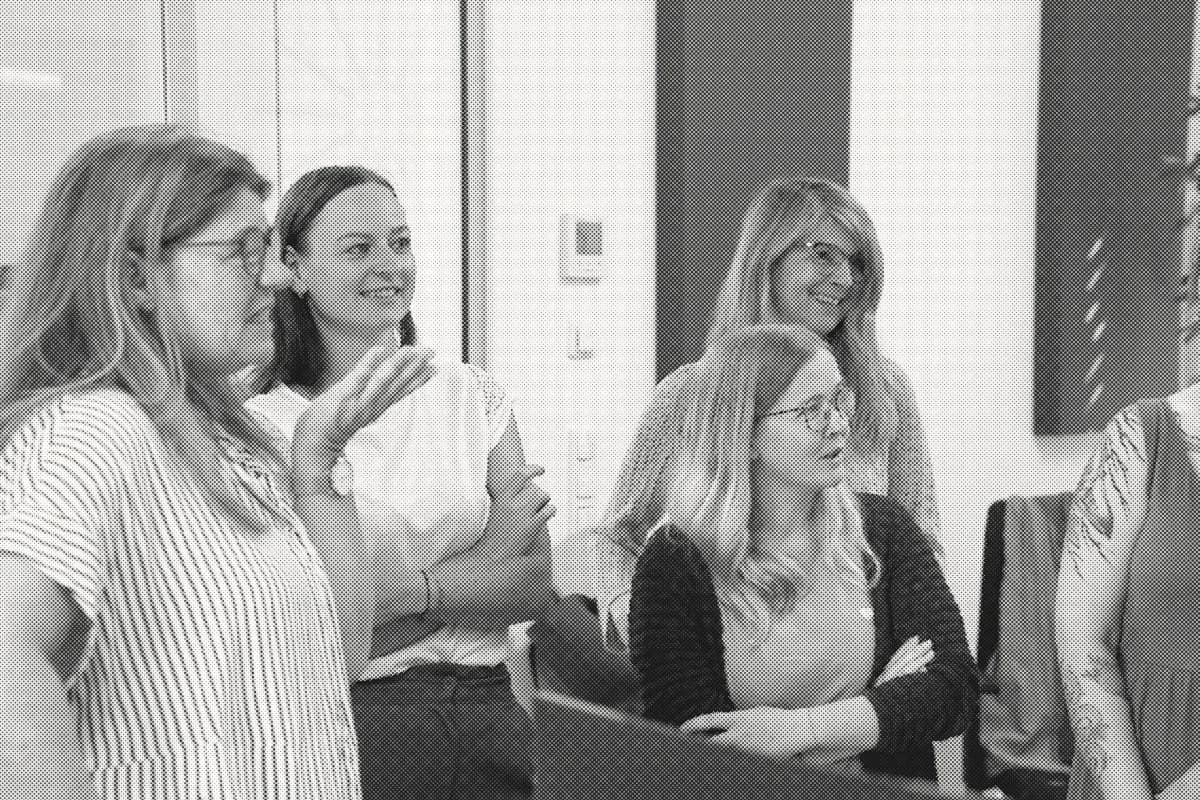
Professional development & specialization. The law we work in changes constantly; professional development is therefore part of everyday work, not a reward. The path toward a Fachanwaltschaft (specialist lawyer qualification) or deeper expertise in a specific field is one we take together, case by case — in a form that fits the respective role and life situation.
Working models. We shape working hours and work location in dialogue with our team members and in line with the demands of each role — not by rigid templates. What can be arranged, can be arranged; what can't, we say so openly.
Location & working together. We work in Würzburg, at a manageable size, with flat structures and direct lines of communication between practice areas. If you want to grow inside a large, anonymous unit, we are probably the wrong place — if you are looking for professional exchange beyond your own desk, more likely the right one.
We currently have no open positions. But we would be glad if you checked this page from time to time — needs often arise faster than we can foresee.